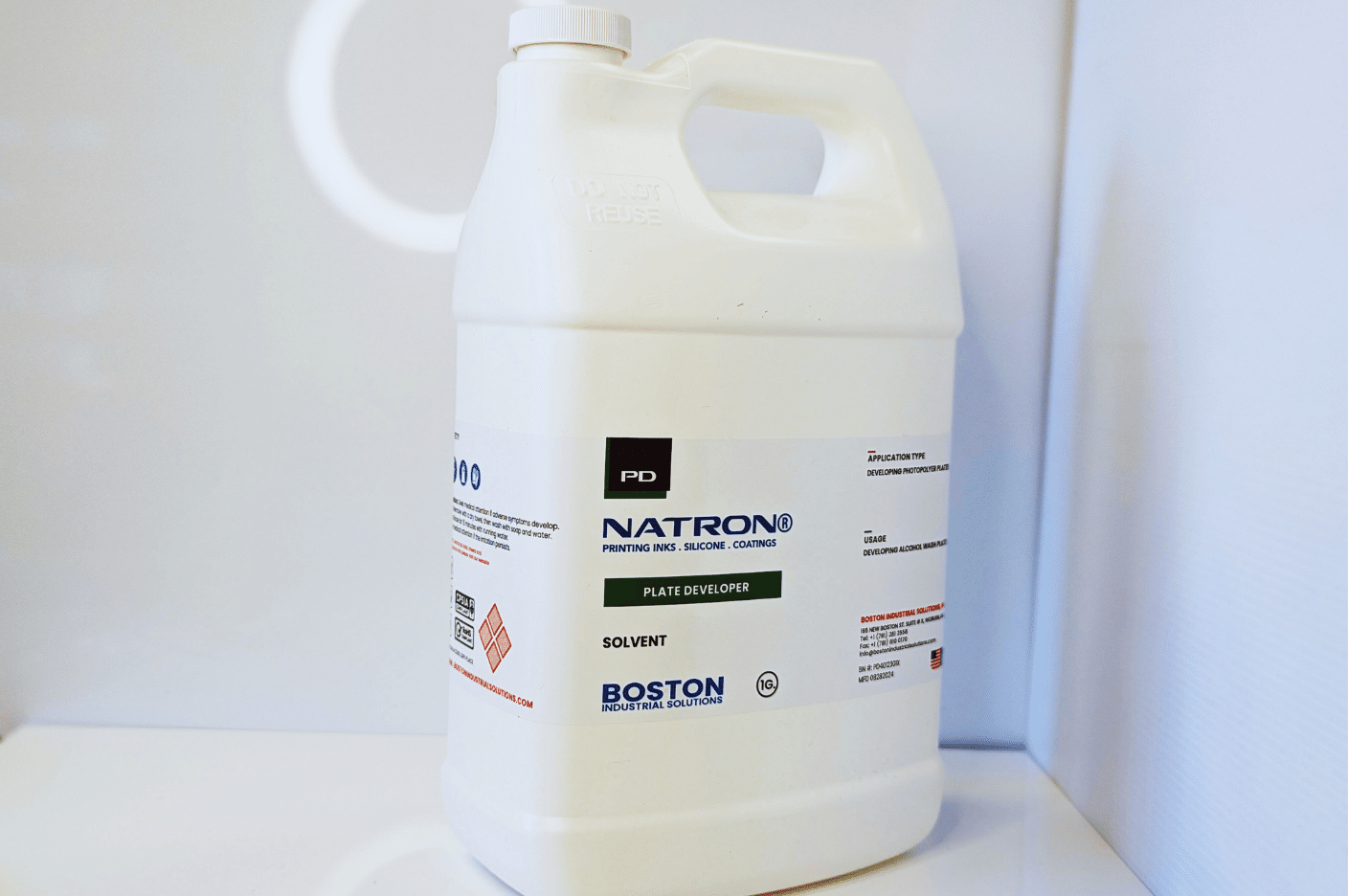
plate developer

Plate developer

Plate developer, is a chemical solution (solvent), used to wash out an image on printing plates. Also, letterpress uses this plate making solvent. Prior to etching the plates, the exposure unit exposes them to UV light.

Photopolymer plates (cliché) are light sensitive materials. When exposed to UV light through a film, the exposed areas harden. At the same time the unexposed (blocked) areas remain soft. The plate developer then washes out the soft areas.

Pad printing process uses the etched plates for printing. During printing, a silicone pad picks up the pad printing ink and transfers it to the part.

The plate chemical etching process involves; exposure, washing, drying, and Post-exposure.

Compared to laser or inkjet printing processes, photopolymer plates offer higher-detail prints.
Stay Updated with Boston Industrial Solutions, Inc. News

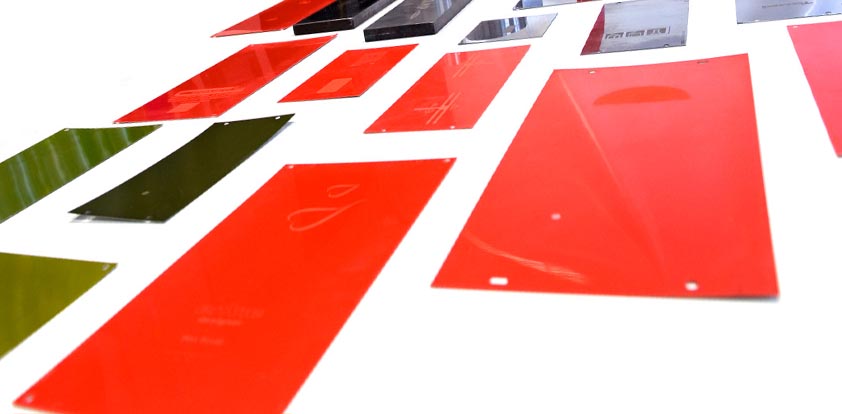
PAD PRINTING PLATES

Boston Industrial Solutions, Inc., offers a complete line of laser-engravable and traditional photosensitive alcohol /water wash pad printing plates. Water wash plates use water for the development process, while alcohol plates use plate developer. Every plate material is distinct and tailored to suit various application types. All our plates will work with any pad printing machine. Different plates have different durability, also known as the number of impressions.

SCREEN PRINTING INKS

Boston Industrial Solutions, Inc. offers a complete line of specialty, high-quality screen printing ink lines. Boston Industrial Solutions provides a variety of inks, including silicone-based, water-based, UV screen printing, and solvent inks. Regardless of the application, Boston Industrial Solutions has the best ink for you. Learn more about our NxT screen printing inks for neoprene and other rubber materials.

Banner Image
Banner Image

FREQUENTLY ASKED QUESTIONS

Pad printing plates are used to house the image that a silicone pad transfers from the plate to a part. Metal or polymer materials can form the plates. Plate developer or laser engraving processes etch the image on the printing plates.

There are key steps in the plate development process. These are:

  • Exposure: The plate is exposed to UV light, which hardens the image area.
  • Washing: The developer washes away the unexposed, non-hardened areas.
  • Drying: The plate is dried to ensure no moisture or residue remains.
  • Post-exposure: The plate might be exposed again to UV light to further harden the relief image.
This site is registered on wpml.org as a development site. Switch to a production site key to remove this banner.