

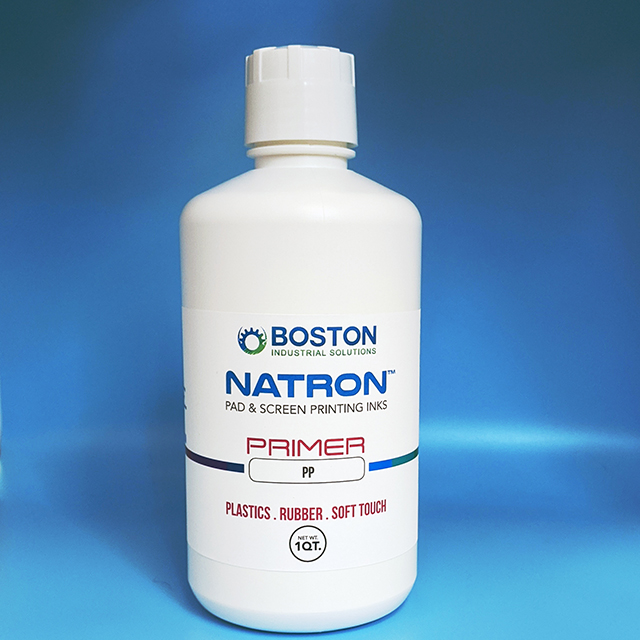
PP PRIMER – PP ADHESION PROMOTER FOR PLASTICS
Polypropylene primer (Natron PP primer) is a special adhesion promoter for plastics formulated to guarantee printing ink adhesion on difficult-to-print low surface energy plastics such as polyolefins, polypropylene (PP), polyethylene (PE), (HDPE), (r-HDPE), polyacetal (POM), nylon (nylon 6-6, nylon 6/6, nylon 6,6, or nylon 6:6), EPT rubber, acetal, and nylon coated with thermoplastic polyurethane (TPU). This adhesion promoter for polyropylene reduces surface tension to improve printing ink bonding onto low-energy substrates. Both polypropylene and polyethylene are common plastics that are impossible to print. Learn what is polypropylene primer?
Both solvent-based inks and UV inks do not bond well to low-surface-energy plastics such as polypropylene. For example, TP pad printing ink for plastics prints on a wide range of plastic substrates. The same applies to the Natron 314 UV ink. However, there are some plastics that are more challenging for the printing ink to bond to than others. As a result, printing ink need printing an adhesion promoter for plastics to perfectly bond onto LSE Plastics. Additionally, the Natron PP Primer is an excellent UV adhesion promoter (primer) for UV printing on polyamide or nylon 6.6 materials.
These are low-surface-energy (LSE) plastics, according to the finecal article “How to Bond Low Surface Energy (LSE) Plastics.” This low surface energy property inhibits an ink’s ability to “wet out” or bond to the plastic surface. This of course causes problems for many plastic inks leading to weak adhesion or failure of the ink to adhere at all onto the plastic substrate. For this reason, you need the UV adhesion promoter for polyropylene plastic materials. Learn more about the EK series our Solvent based pad printing ink for plastics.
Characteristics of Low surface energy plastics, or LSE plastics
LSE plastic materials are generally soft and have a low melting point, so they’re easy to process, even at high volumes. Additionally, they have a low density, which helps with their light weight. Because low surface energy is the primary characteristic of this group, they’re difficult to print on and bond with. It is for this reason you require a Polypropylene adhesive primer.
Learn more about Natron G1 Glass Primer for UV Inkjet printing.
The Natron Plastic Primer is used to:
- – Reduces product surface tension for better bond
- – Guarantee ink adhesion polypropylene & polyethylene
Read why priming is the solution blog article for more insights about adhesion promoters.
What is polypropylene primer?
Polypropylene primer is used for hard-to-bond surfaces such as polypropylene plastics—typically denoted by PP. These surfaces typically have a low surface energy (LSE), which prevents ink, paint, and adhesive from bonding onto the substrate. The primer increases the surface energy level of the substrate. Hard-to-bond surfaces like polypropylene plastics, polyurethane, powder-coated paints, thermoplastic rubber, stainless steel, and TPO benefit from this primer. It dries quickly for rapid tape application.
What is the purpose of primer?
A primer, or undercoat, is a preparatory coating put on materials before painting. Priming improves the adhesion of ink or paint to the surface, boosts paint durability, and offers extra protection for the material undergoing painting.
What ink can I use on polypropylene?
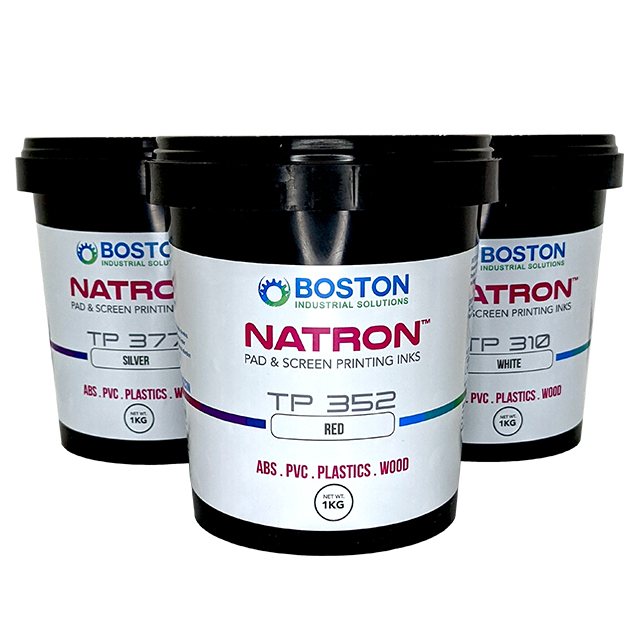
There are several types of inks that are ideal for polypropylene plastics depending on your printing application. The currently available printing methods are inkjet printing, also known as digital printing; screen printing; and pad printing. Boston Industrial Solutions, Inc. makes inks for all three of these printing methods. For pad and screen printing, TP pad printing ink works very well on PP. EK series pad printing inks also work exceptionally well on PP plastics. PP has superior opacity and ease of use. EK is best for high-speed printing. You must prime the polypropylene substrate before using either of these inks. Alternatively, Natron UPP pad printing ink works well on untreated polypropylene substrates.
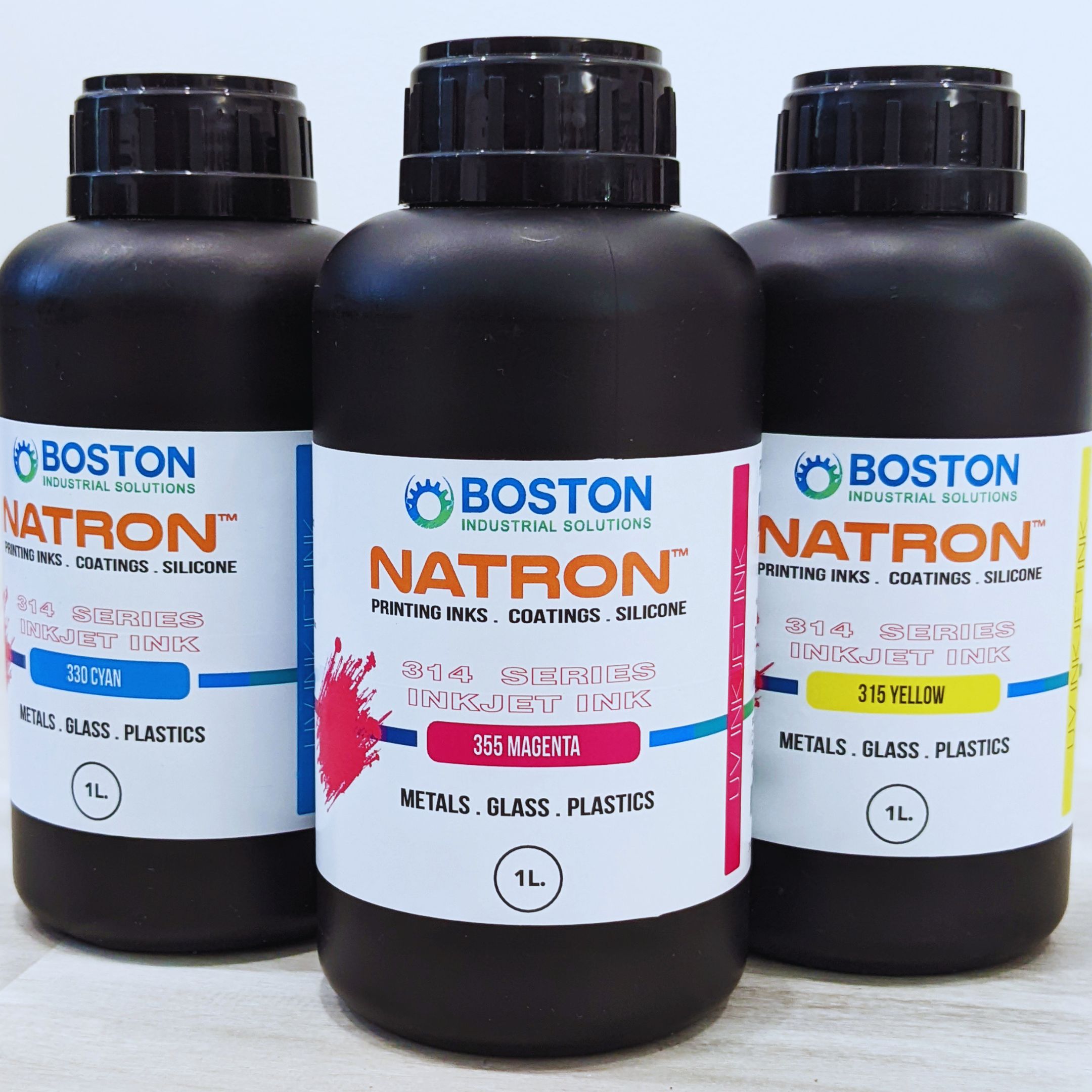
For digital printing, we offer a flexible and rigid UV inkjet ink ideal for Ricoh Gen 4/5/6 print heads. Digital inkjet inks require a primer to effectively bond onto polypropylene plastics.
Can you spray paint polypropylene?
Apply adhesion promoter for plastic first before applying ink to a primer. This is because, as discussed, PP has a smooth, nonporous surface, which creates a low surface energy surface. This makes it difficult for any ink or paint to adhere to. For painting, to achieve the best results, use spray paint labeled for use on polypropylene and other plastics. These are available from most major spray paint manufacturers as well as online or at many paint or home improvement centers.
Can you print on HDPE plastic?
Yes, you can print on HDPE with both the Natron TP series and the EK series. HDPE plastic is simple and, as a result, does not require primer for the ink to adhere.