Silicone ink – SE Series

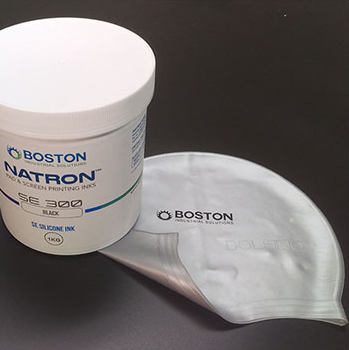
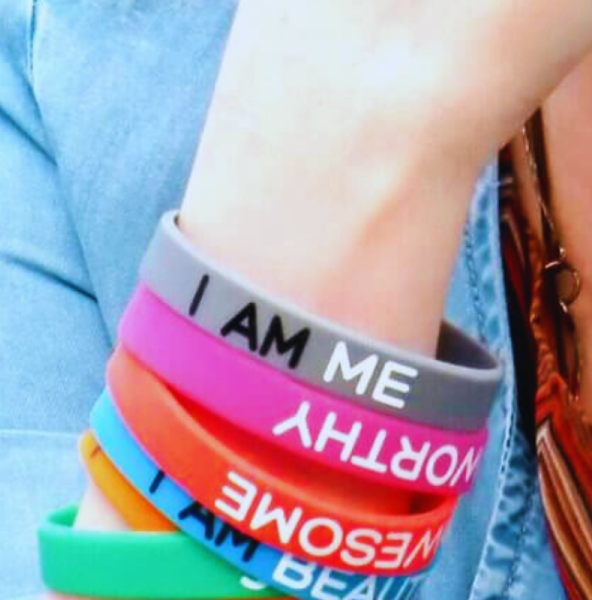
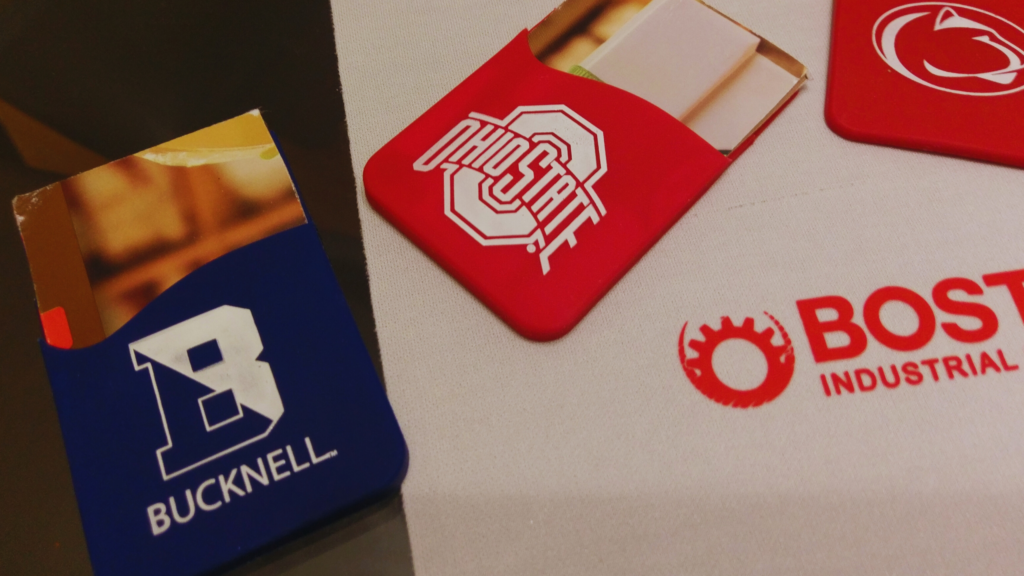
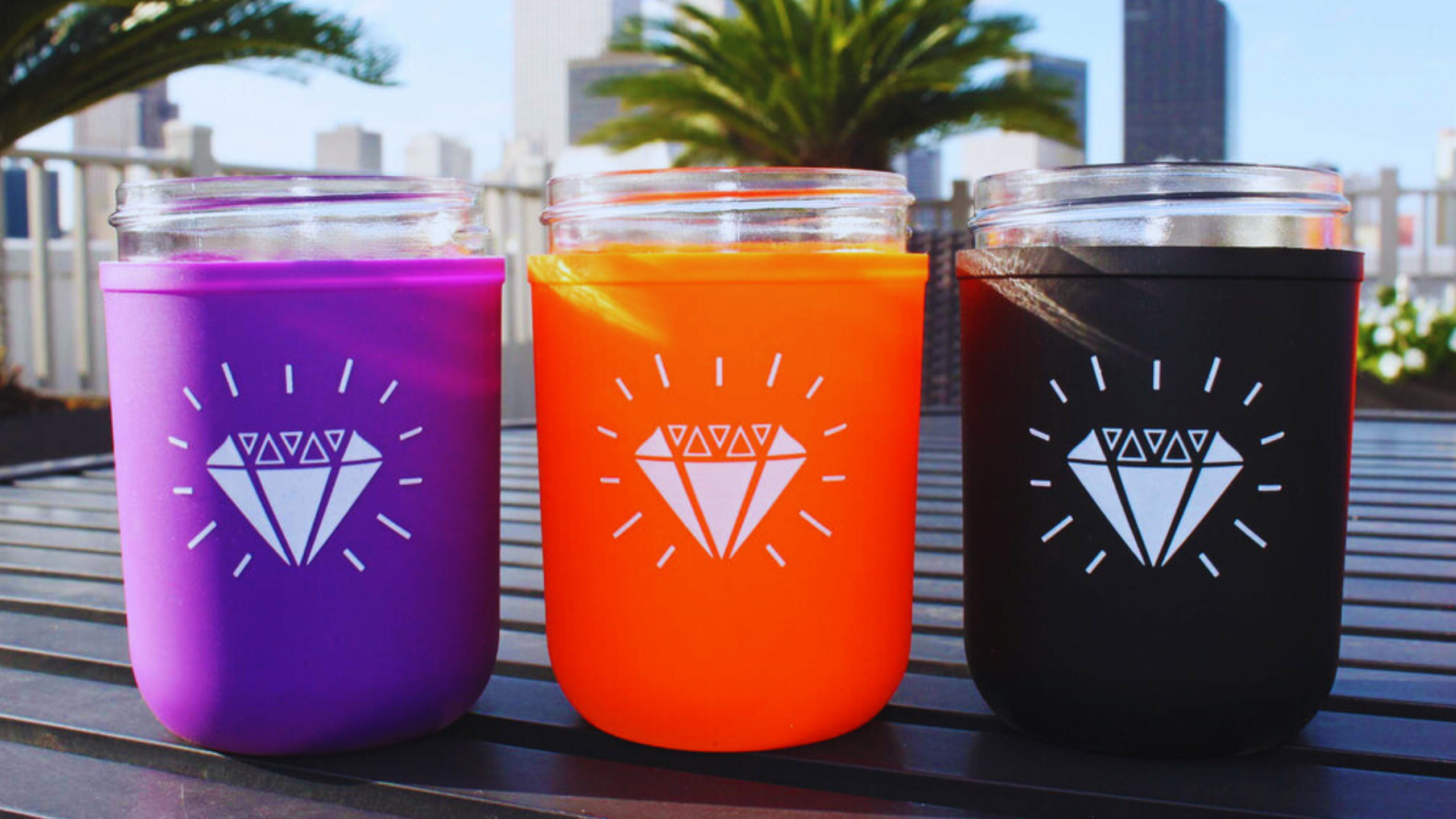
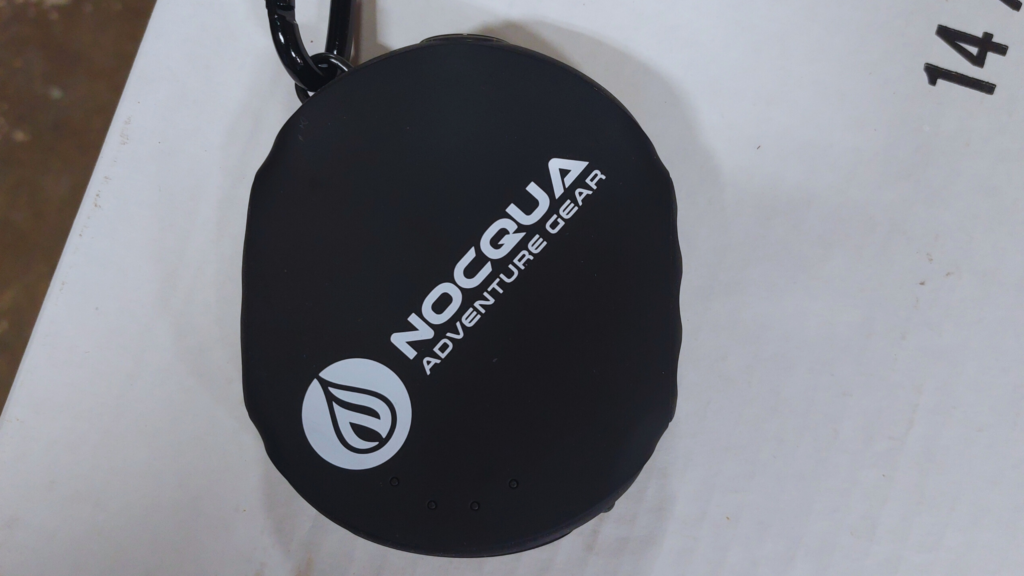
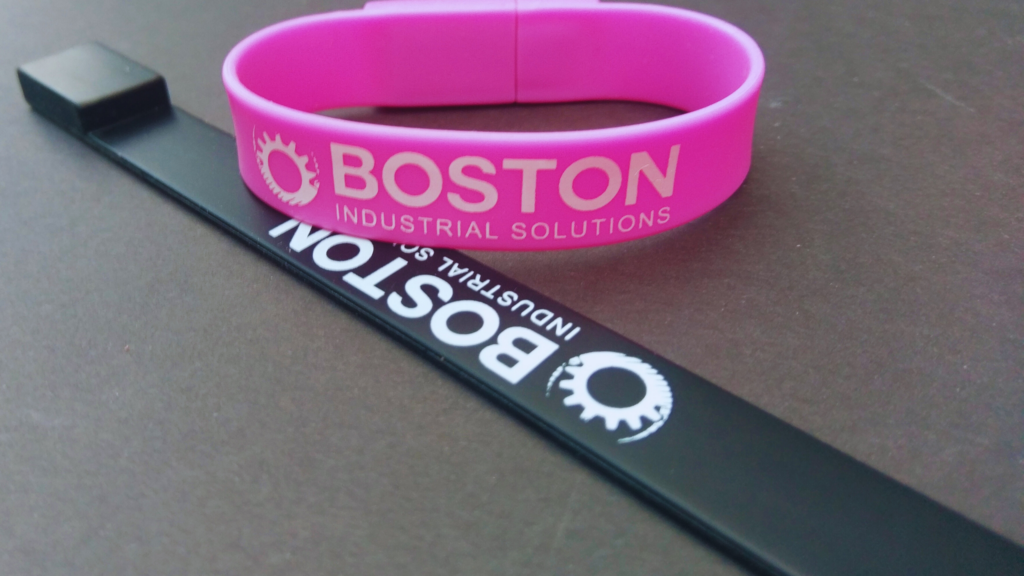
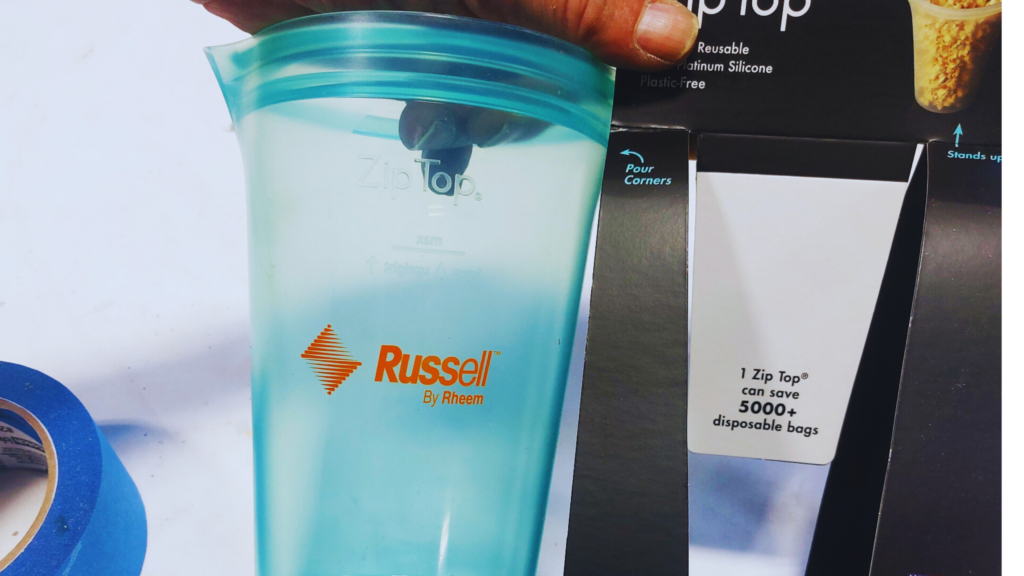
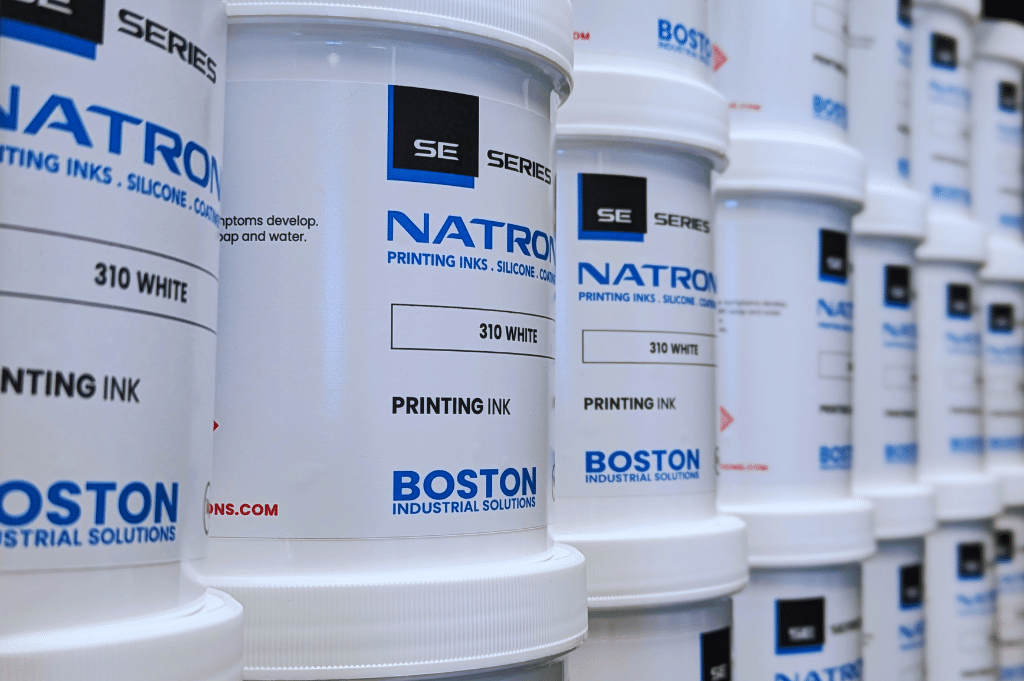
Silicone ink is an eco-friendly ink made from liquid silicone for pad and screen printing on silicone wristbands, silicone tubes, silicone mugs, phone covers, sippy cups, oven mitts, swim caps, and more.


The Natron® SE Series inks adheres permanently to silicone rubber. As a result, the printed designs last as long as the product.


There are 41 standard colors, including metallic and neon colors. Additionally, we offer color matching services for any color you want.


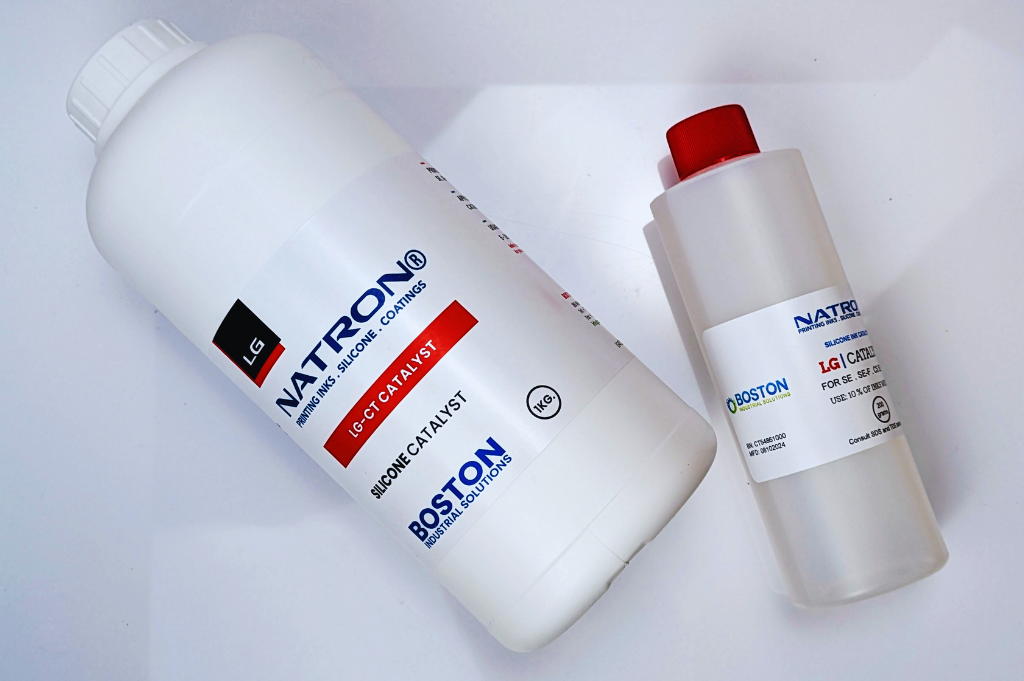
This ink requires a catalyst to dry. All colors in this series are 10:1 mix ratio.


Drying:
Use Heat to dry the Natron SE Ink® can be dried at:
• 275°F (130°C) for 6 minutes with standard ink drier.
• 300°F (150°C) for 4 minutes also works for most applications


Learn how to determine if your product is made from silicone rubber. >

Silicone Ink Colors

Below are the standard colors for the SE Series inks which include metallic and neon colors.
To create new shades, you can mix any two or more colors. Mixing the colors together does not affect the ink adhesion. Learn more about our custom color matching services.

300 BLACK
300 BLACK
310 WHITE
310 WHITE
312X MIXING YELLOW
312X MIXING YELLOW
314 LEMON YELLOW
314 LEMON YELLOW
315 YELLOW
315 YELLOW
317 GOLD YELLOW
317 GOLD YELLOW
322 MIXING ORANGE
322 MIXING ORANGE
324 ORANGE
324 ORANGE
330 LIGHT BLUE
330 LIGHT BLUE
332 TRUE BLUE
332 TRUE BLUE
333 BLUE
333 BLUE
336 REFLEX BLUE
336 REFLEX BLUE
337 DARK BLUE
337 DARK BLUE
338 PURPLE
338 PURPLE
339 DARK PURPLE
339 DARK PURPLE
341 VIOLET
341 VIOLET
344 LIME GREEN
344 LIME GREEN
345 BRIGHT GREEN
345 BRIGHT GREEN
346 EMARALD
346 EMARALD
348 DARK GREEN
348 DARK GREEN
350 BRIGHT RED
350 BRIGHT RED
351 RUBINE RED
351 RUBINE RED
352 RED
352 RED
353 DARK RED
353 DARK RED
354 RHODAMINE RED
354 RHODAMINE RED
355 MAGENTA
355 MAGENTA
358 SIGNAL RED
358 SIGNAL RED
363 BROWN
363 BROWN
370 CLEAR
370 CLEAR
371 GOLD
371 GOLD
377 SILVER
377 SILVER
390 COOL GRAY
390 COOL GRAY
901 NEON BLUE
901 NEON BLUE
902 NEON GREEN
902 NEON GREEN
903 NEON YELLOW
903 NEON YELLOW
904 NEON ORANGE
904 NEON ORANGE
905 NEON RED
905 NEON RED
906 NEON PINK
906 NEON PINK

Additives

This printing ink requires a catalyst to dry and bond to rubber. Additionally, thinner is necessary for changing the ink viscosity depending on the application.

Tech Specs

Some of this ink’s features include high opacity, high gloss, extreme flexibility, and exceptional adhesion. The SE screen printing ink for silicone wristbands are also dishwasher safe and resistant to alkali and other cleaning chemicals.

The SE Series ink boasts fast drying, high opacity, high gloss, superior resistance to chemicals, abrasion resistance, and is safe for use in toy, industrial, and food packaging applications.

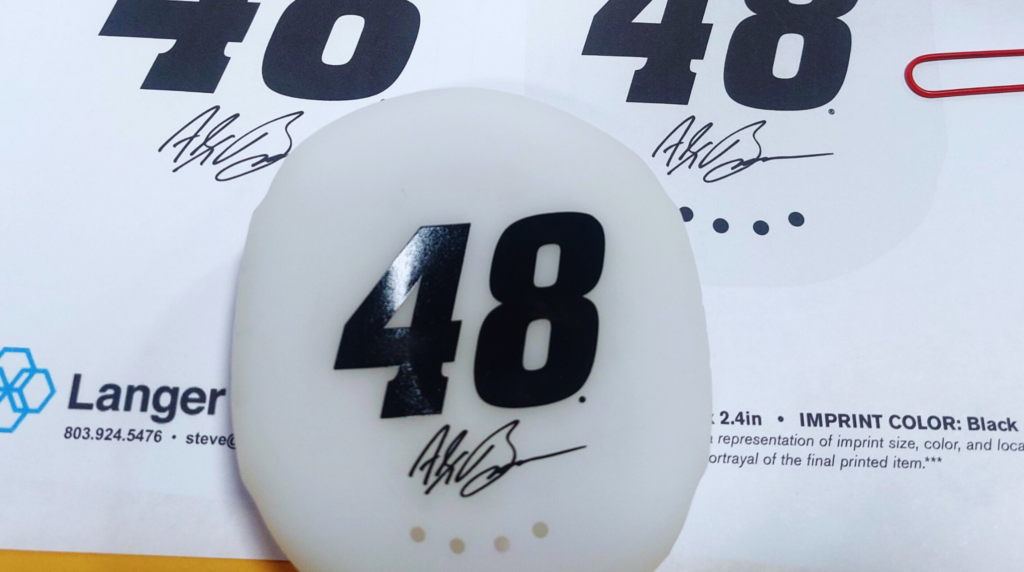
Photo credit (Langer Printing)

Silicone Ink Mixing and Printing Instructions

Required ink mixing supplies include a scale, mixing sticks, and cups.
The mixing ratio for all ink colors is 10:1, which is 10 parts ink to 1 part catalyst. Mix the ink and the catalyst thoroughly together before adding the solvent.


Add the appropriate thinner (solvent) to change the ink viscosity. See the TDS to determine the appropriate solvent for your specific application.


There is no set ratio when adding the solvent/diluent/thinner; use the TDS recommendations as your starting point and experiment to find the best ratio for your application. Lastly, thinner or diluent will not adversely affect the adhesion of the inks to rubber.
Below we review the decorating and printing options for silicone rubber.

  • Pad Printing Parameters
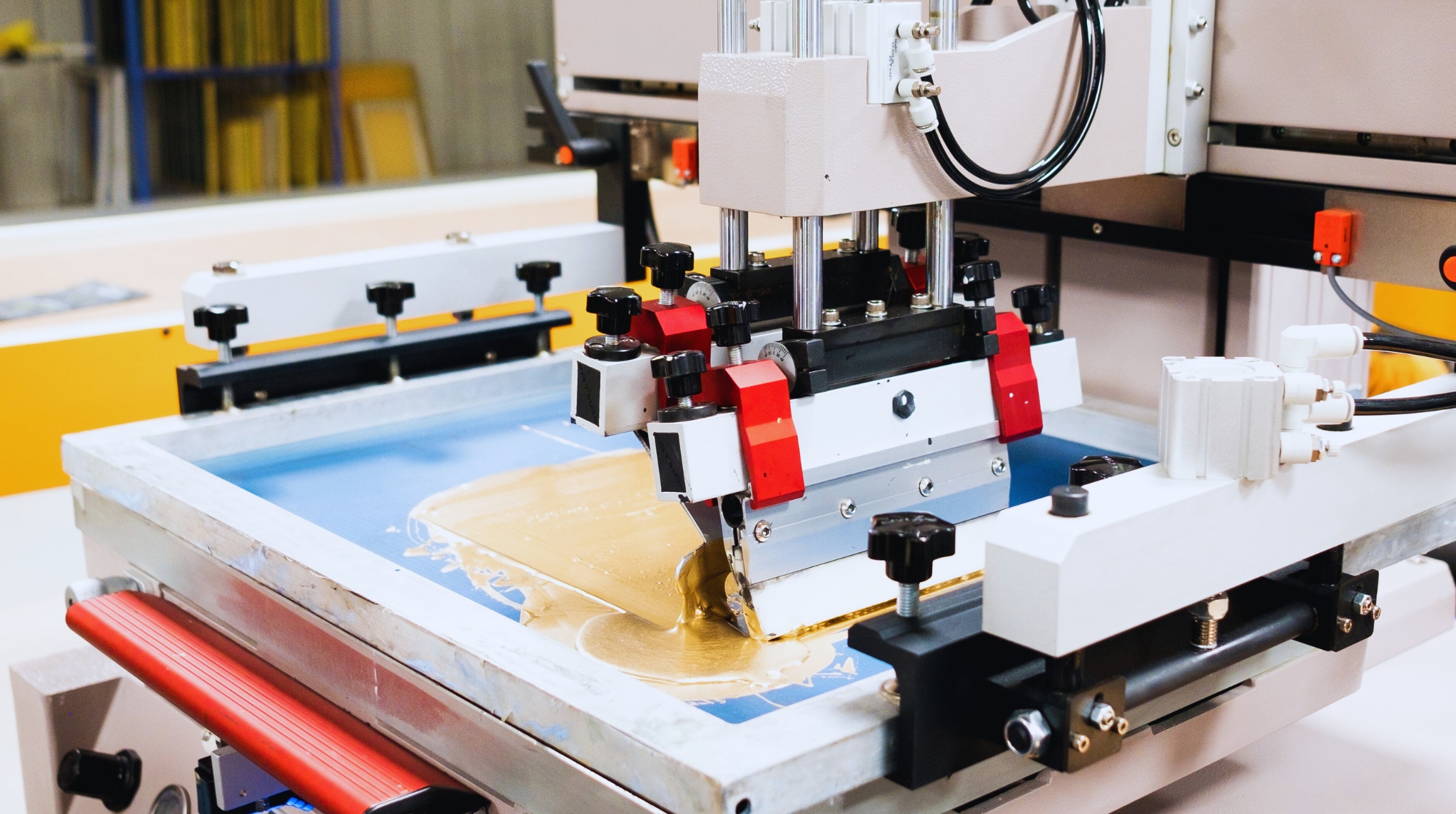
  • Screen Printing Parameters

Pad Printing Parameters

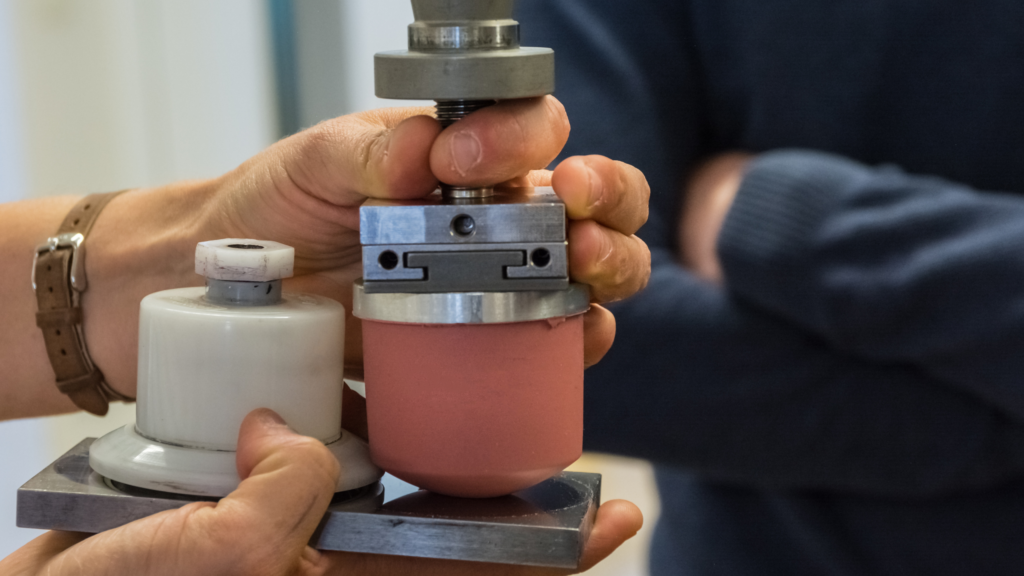
Use any commercially available pad printing clichés made of ceramic, photopolymer, laser, or steel. For all standard prints, the recommended cliché depth is 25 – 35 μm.
Printing pads
Use silicone pad printing pads. The ink releases from the pad regardless of the hardness (durometer) of the pad.
Printing machines
The Natron SE Series is suitable for both closed-cup and ink-well machines. Use the appropriate thinner for the correct type of machine.

Pad Printing Parameters

Screen Printing Parameters

Mesh count
Use any commonly available polyester meshes and solvent-resistant emulsions.
Recommended mesh count for most applications, dark material and for high-opacity prints: 200–230 mesh (mesh per inch) count screens.
Fine details and light background materials: 255–305 mesh count.
Emulsion type
Use TX-D (Plastisol, water base, discharge) emulsion on pre-burned screens.
Squeegee
Use 70 durometer squeegee or the 70/90/70 triple durometer which is an excellent choice for more ink lay-down.
Consider 80-durometer squeegee when using 305 – 355 mesh count. Always have and off-contact when screen printing hard goods.

Screen Printing Parameters

How to Dry and Cure Silicone Ink Prints

Use heat to dry, cure, and make the ink stay (bond) on silicone. Depending on the density of the silicone, the range to dry the printed product is 275°F – 400°F for 6 – 10 minutes. Increasing the temperature reduces the cure time.

Silicone Cure Inhibitors

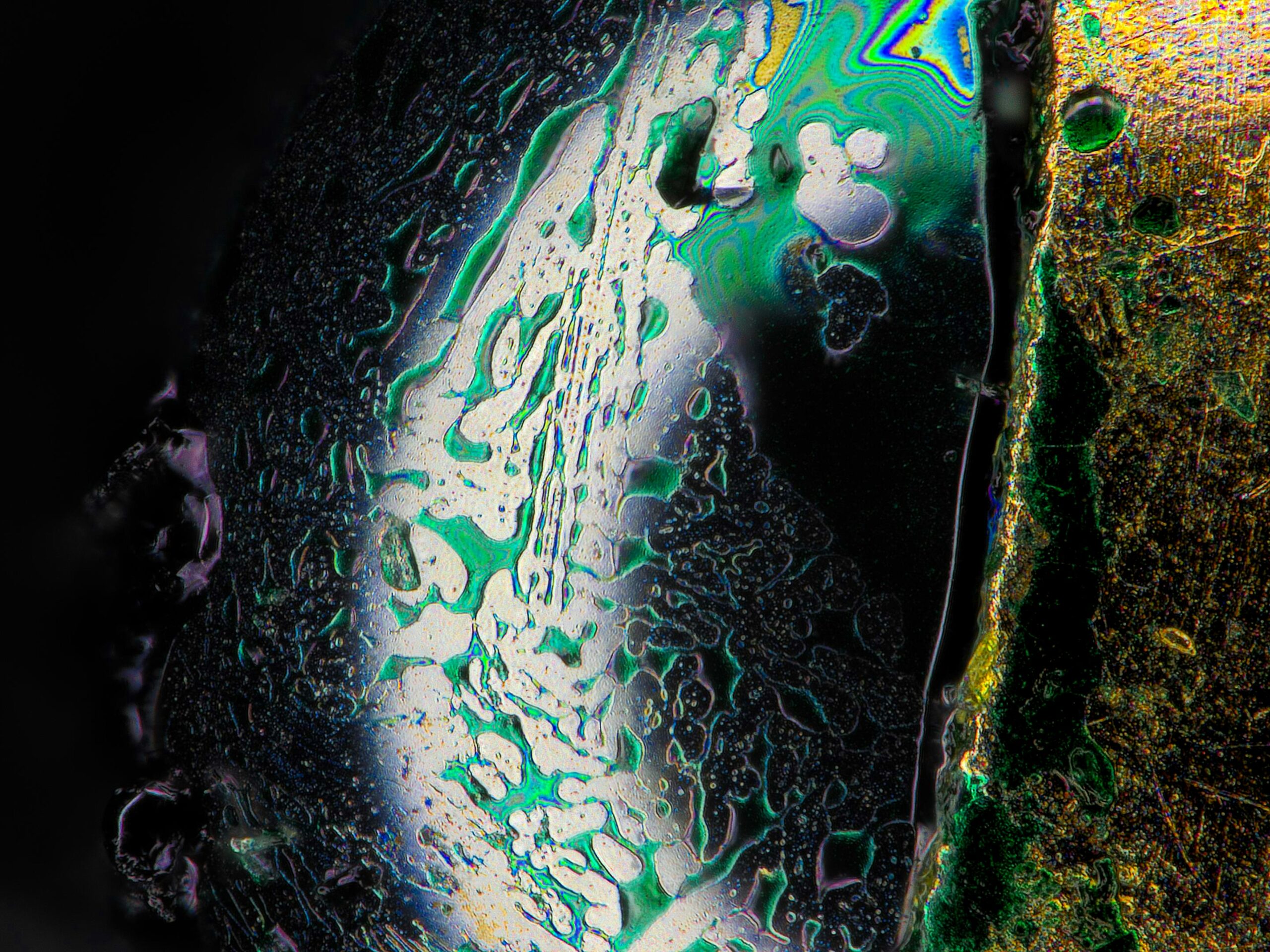
Natron SE Series for printing on silicone rubber and other platinum-based inks will not dry if it comes into contact with sulfur-containing compounds, amines, some urethanes, or organic acids. Therefore, avoid these materials; they will prevent the inks from drying and curing.

Banner Image
Banner Image

Certifications

Experts in all industries rank the Natron SE Series as the best silicone ink in the world. This ink not only boasts a multitude of features, but it has also earned the safety certifications sought by top industry experts across various industries.

Sustainable

Boston Industrial Solutions uses high purity polymers to formulate this ink. By prioritizing sustainable practices, Boston Industrial Solutions not only reduces waste but also supports the circular economy.

This commitment ensures that our products meet the growing demand for environmentally responsible solutions in various industries.

Silicone Ink Applications

Many industries use this ink to print rubber parts. Industries that use this ink include promotional, medical, toys, drinkware, aerospace, automotive, packaging, and custom silicone molding. Examples of everyday items to screen print with the SE Series include kitchenware, silicone wristbands, silicone swim caps, promotional items, remote controls, and much more!

Industrial application examples include silicone handles for tools, automotive hoses, silicone-coated fiberglass, silicone tubing, etc. Read about the top five silicone applications.

Frequently asked questions.

The only ink that can adhere to silicone is a silicone-based ink. Unlike some UV inks or solvent-based inks, SE ink requires heat to cure. Boston Industrial Solutions, Inc., offers the SE Series, the SE-F Series, and the DC Series inks.

Silicone inks are eco friendly printing inks formulated based on silicone for printing on silicone rubber goods as well as fabrics and leather substrates. Examples of silicone rubber goods are silicone swim caps, silicone wristbands, silicone speaker covers, etc. For rubber goods, you need the SE Series inks. Silicone ink is also used for printing in the textile printing industry. It is a very good substitute for plastisol screen printing inks. SilTex series silicone inks are perfect for printing on textiles.

No, alcohol ink does not work on silicone rubber. Alcohol inks will not permanently adheres / bond to silicone rubber.

Traditional solvent-based or UV-based or Alcohol based printing inks don’t stick to silicone rubber products. Nothing sticks to silicone but silicone. This means that only silicone ink can be used to print on silicone rubber wristbands or any silicone part. To print or mark silicone rubber, you need a pad printing machine or a screen printing machine.

Yes, you can screen print or pad print on silicone. A silicone substrate is a unique substrate. For this reason, UV-curable ink and regular solvent-based inks do not adhere to silicone, so a specially formulated ink based on silicone must be used. The only ink that can print and stick to silicone is a silicone ink.

The only ink that can bond to silicone is a silicone-based ink.

You can buy silicone ink from Boston Industrial Solutions, Inc. We ship everywhere in the world.

This site is registered on wpml.org as a development site. Switch to a production site key to remove this banner.