

PP PRIMER – PP ADHESION PROMOTER FOR PLASTICS
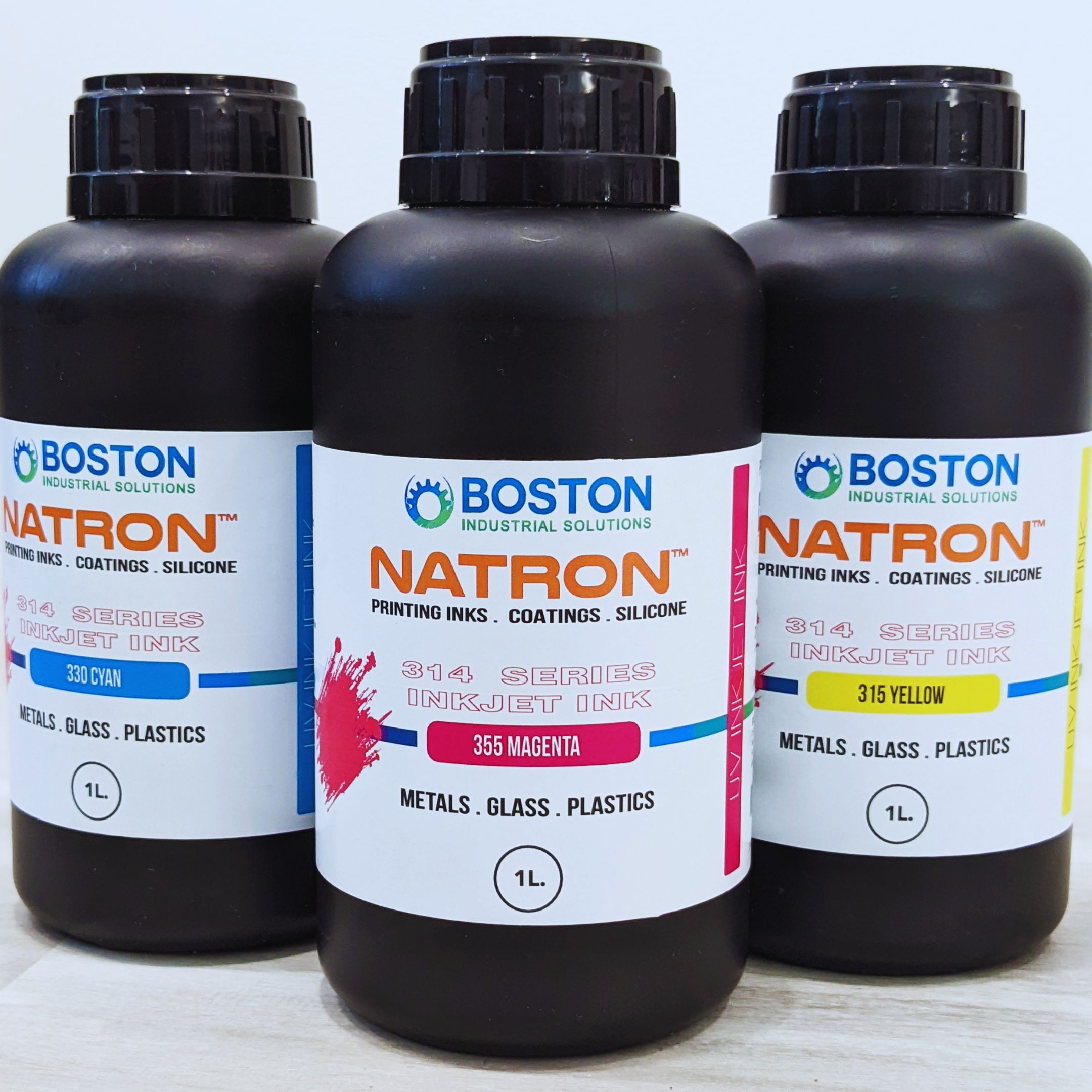
Polypropylene primer (Natron® PP primer) is a special adhesion promoter for plastics formulated to guarantee printing ink adhesion on difficult-to-print low surface energy plastics such as polyolefins, polypropylene (PP), polyethylene (PE), (HDPE), (r-HDPE), polyacetal (POM), nylon (nylon 6-6, nylon 6/6, nylon 6,6, or nylon 6:6), EPT rubber, acetyl, and nylon coated with thermoplastic polyurethane (TPU). This adhesion promoter for polypropylene reduces surface tension to improve printing ink bonding onto low-energy substrates. Both polypropylene and polyethylene are common plastics that are impossible to print.
Both solvent-based inks and UV inks do not bond well to low-surface-energy plastics such as polypropylene. There are some plastics that are more challenging for the printing ink to bond to than others and therefore require an adhesion promoter for plastics. Additionally, the Natron® PP Primer is an excellent UV adhesion promoter for UV printing on polyamide or nylon 6.6 materials.
A low surface energy on plastics inhibits the ink’s ability to “wet out” or bond to the surface of the plastic. This leads to weak adhesion or failure of the ink to adhere to bond to the surface of the plastic.
Characteristics of Low Surface Energy Plastics (LSE Plastics)
LSE plastic materials are generally soft and have a low melting point, so they are easy to process at high volumes. Additionally, they have a low density which makes them light weight. Because low surface energy is the primary characteristic of this group, they’re difficult to print on and bond with. It is for this reason that Natron® PP Primer (an adhesion promoter for plastics) is needed.
Natron® PP Primer is used to:
- Reduces product surface tension for better bond
- Guarantee ink adhesion polypropylene & polyethylene
What is polypropylene primer?
Polypropylene primer is used for hard-to-bond surfaces such as polypropylene plastics—typically denoted by PP. These surfaces typically have a low surface energy (LSE), which prevents ink, paint, and adhesive from bonding onto the substrate. The primer increases the surface energy level of the substrate. Hard-to-bond surfaces like polypropylene plastics, polyurethane, powder-coated paints, thermoplastic rubber, stainless steel, and TPO benefit from this primer. It dries quickly for rapid tape application.
What is the purpose of primer?
A primer, or undercoat, is a preparatory coating put on materials before painting. Priming improves the adhesion of ink or paint to the surface, boosts paint durability, and offers extra protection for the material undergoing painting.